

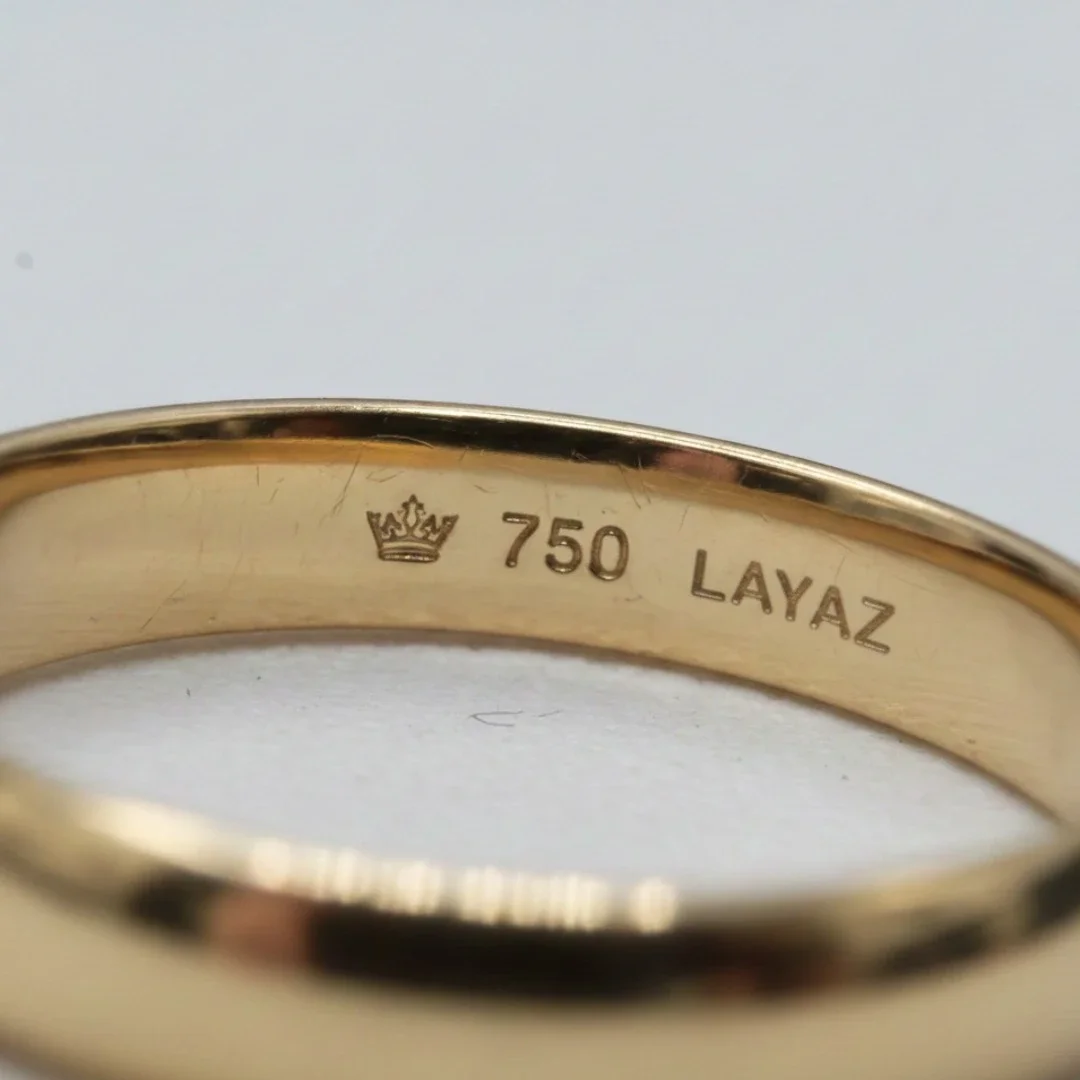
Jewellery engraving is one of the most personal choices you can make when commissioning a piece. A few words, a date, or even a subtle mark can transform jewellery from something beautiful into something deeply meaningful.
Yet engraving is also one of the most misunderstood elements of jewellery design.
Many people assume engraving is a simple add-on done at the end. In reality, engraving that lasts, looks refined, and ages well should be planned carefully and early. This guide explains what jewellery engraving really involves, what works best over time, and what to avoid if you want a result you will never regret.
What Is Jewellery Engraving?
Jewellery engraving is the process of cutting or etching text, symbols, or imagery into metal. Unlike surface printing or stamping, engraving removes metal to create depth.
This depth matters. It affects:
how long the engraving remains legible
how it feels against the skin
how it survives polishing, resizing, and wear
When done properly, engraving becomes part of the jewellery rather than a surface detail.
Why Jewellery Engraving Is So Popular
Searches for jewellery engraving in New Zealand and Auckland are often driven by moments that matter.
People engrave jewellery to:
mark engagements and weddings
commemorate anniversaries
honour loved ones
personalise heirloom redesigns
create meaning that only the wearer understands
Engraving adds emotional value without changing the outward design of a piece.
Common Types of Jewellery Engraving
In bespoke jewellery, engraving tends to fall into a few core categories.
Initials and dates remain the most popular, particularly for engagement and wedding rings. Short phrases, coordinates, and Roman numerals are also common, offering a balance between meaning and restraint.
More personal options include handwriting engravings taken from a signature or note, as well as fingerprint engravings. These require careful preparation to ensure clarity at a small scale.
The key is restraint. Engraving works best when it complements the jewellery rather than competing with it.
Hand Engraving vs Machine Engraving
This comparison is often misunderstood, so it is worth clarifying carefully.
Hand engraving
Hand engraving is done using traditional tools guided by an engraver’s hand. It carries a sense of artistry and variation, which some people value for heirloom pieces or decorative surfaces.
However, hand engraving can vary slightly in depth and consistency, especially for very small text.
Machine engraving
Machine engraving uses precision equipment to create clean, consistent lines. This includes CNC or laser-assisted methods.
At Layaz, machine engraving is generally used, particularly for:
fine text
initials
dates
internal ring engraving
Machine engraving offers excellent legibility, repeatability, and control, which is especially important for modern minimalist designs.
Neither method is inherently better. The choice depends on design intent, scale, and longevity.
Why Engraving Should Be Planned at the Design Stage
One of the most important things to understand about jewellery engraving is that it should not be an afterthought.
When engraving is planned during the design stage, the jeweller can:
allocate enough metal thickness for depth
place engraving away from resize zones
ensure comfort against the skin
maintain structural integrity
Engraving added later is often shallower, less considered, and more vulnerable to wear.
At Layaz, engraving is discussed early so it becomes an integrated part of the design, not a last-minute addition.
Which Metals Engrave Best?
Engraving behaves differently depending on the metal.
Platinum (PT950) engraves beautifully and holds depth well over time. Its density allows for crisp lines that age gracefully.
18K and 14K gold, including yellow, white, and rose gold, also engrave well when alloyed correctly. White gold alloyed with palladium, as used by Layaz, offers clean engraving results while remaining skin-friendly.
What matters most is not just the metal, but the thickness and finish planned around the engraving.
What Engraving Lasts Over Time
Not all engraving ages equally.
Engraving tends to last best when:
it has sufficient depth
it is placed thoughtfully
the font is simple and legible
the band has enough width and thickness
Inside-band engraving is common and discreet, but it does experience more wear over decades than external engraving.
Polished finishes can soften engraving slightly over time, while matte or brushed finishes often retain contrast longer.
What to Avoid When Engraving Jewellery
Some engraving choices frequently lead to disappointment.
Very long phrases in tiny fonts often become unreadable. Ultra-thin bands may not support meaningful depth. Trend-driven scripts can feel dated within a few years.
Engraving placed too close to resize areas can be distorted if the ring is adjusted in the future. Handwriting engravings that are not properly cleaned or simplified may lose clarity at small scales.
These issues are avoidable when engraving is planned with the overall design in mind.
Jewellery Engraving in Auckland and Across New Zealand
Many people search for jewellery engraving near them, expecting it to be a quick service.
In reality, high-quality engraving is best done as part of bespoke jewellery making rather than as a standalone task. This allows engraving to be aligned with design, proportions, and long-term wear.
Layaz works with clients in Auckland and throughout New Zealand, including Christchurch and other regions, through in-person and virtual consultations.
Case Study: Auckland Engagement Ring Engraving
An Auckland client commissioning an engagement ring wanted to include a meaningful date without disrupting the clean design.
By planning the engraving early, sufficient band thickness was allocated, and the engraving was placed precisely to remain legible while staying discreet. The result felt intentional and timeless rather than decorative.
Case Study: Christchurch Virtual Consultation With Engraving
A Christchurch-based client worked with Layaz virtually to design a bespoke ring that included initials and a short phrase.
Digital mock-ups allowed the engraving to be reviewed and refined before production. When the finished piece arrived, the engraving felt balanced, personal, and seamlessly integrated.
Engraving and Future Considerations
It is also important to think beyond the present moment.
Engraving interacts with:
resizing
refinishing
long-term wear
When engraving is planned correctly, these considerations are accounted for from the start.
Choosing Jewellery Engraving With Confidence
Engraving should never feel rushed.
Ask:
where will it sit?
how deep will it be?
will it still be readable in decades?
does it suit the design, not just the moment?
A jeweller who takes engraving seriously will guide you through these questions rather than treating it as a checkbox.
Engraving as Quiet Meaning
The most powerful engravings are often unseen by anyone else.
They exist not to impress, but to anchor a piece emotionally. When done with care, jewellery engraving becomes part of the story rather than an annotation.
That is when it truly lasts.
